 |
Historical Information |
|
Downton Abbey
|
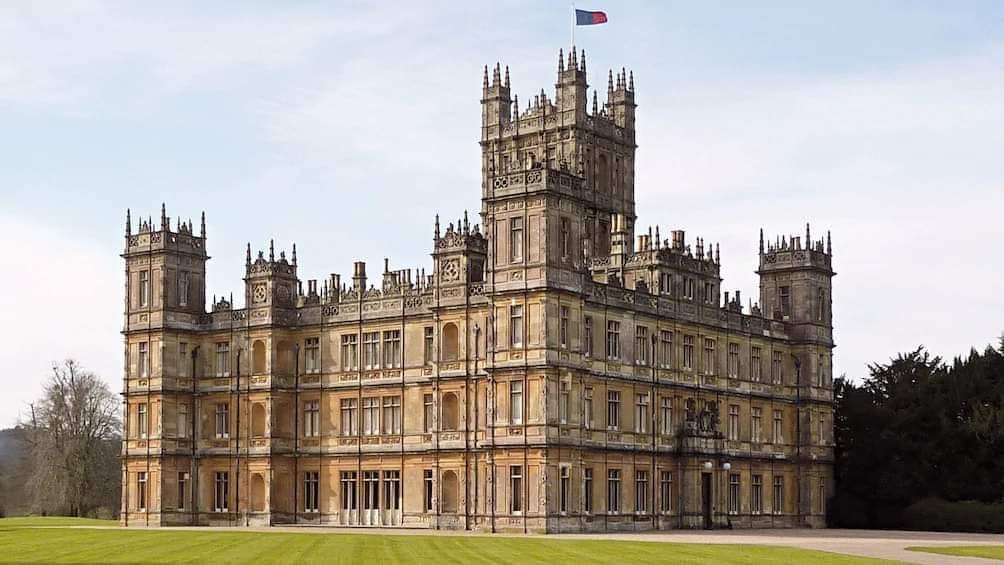
Highclere Castle, aka The Home Of Downton Abbey, Hampshire, England |
 |
The first written records about the estate are dated 749 when an Anglo-Saxon king granted the estate to the Bishops of Winchester. |
The original site was also recorded in the Domesday Book. |
In the late 14th century the then Bishop of Winchester William of Wykeham built a beautiful medieval palace (bishop's residence) and gardens in the park. |
Originally granted by the king to the Fitzwilliam family, Highclere Castle had several owners during the next 125 years. |
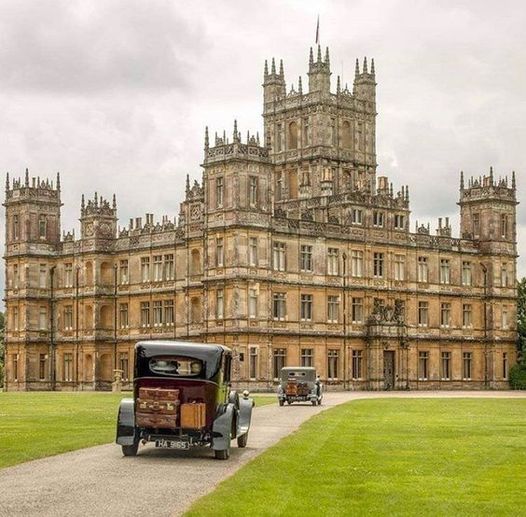
The house was then a square, classical mansion, but, after an abortive exterior remodeling by Thomas Hopper in Greek Revival style for the second Earl, it was remodelled and largely rebuilt for the third Earl following a design by Sir Charles Barry in 1842–49 during his construction of the Houses of Parliament. It is in the Jacobethan style and faced in Bath stone, reflecting the Victorian revival of English architecture of the late 16th century and early 17th century. |
During the 19th century there was a huge Renaissance Revival movement, of which Sir Charles Barry was a great exponent—Barry described the style of Highclere as Anglo-Italian. |
The 1st Earl had his park laid out according to a design by Capability Brown in 1774–1777, moving the village in the process—the remains of the church of 1689 are at the north-west corner of the castle. |
At the beginning of the World War I, a hospital for war wounded was opened at Highclere Castle, with Lady Carnarvon helping with the organisation and assisting as a nurse. |
The castle became home to Egyptian artifacts after the 5th Earl, an enthusiastic amateur Egyptologist, sponsored the excavation of nobles' tombs in Deir el-Bahari (Thebes) in 1907, and employed archaeologist Howard Carter in the search for the tomb of Tutankhamun. |
 |
During World War II the castle provided a home for dozens of evacuee children. The estate was the location of several crashes of allied aircraft, including a B-17 Flying Fortress parts of which are now in the possession of Highclere. |
21st century: |
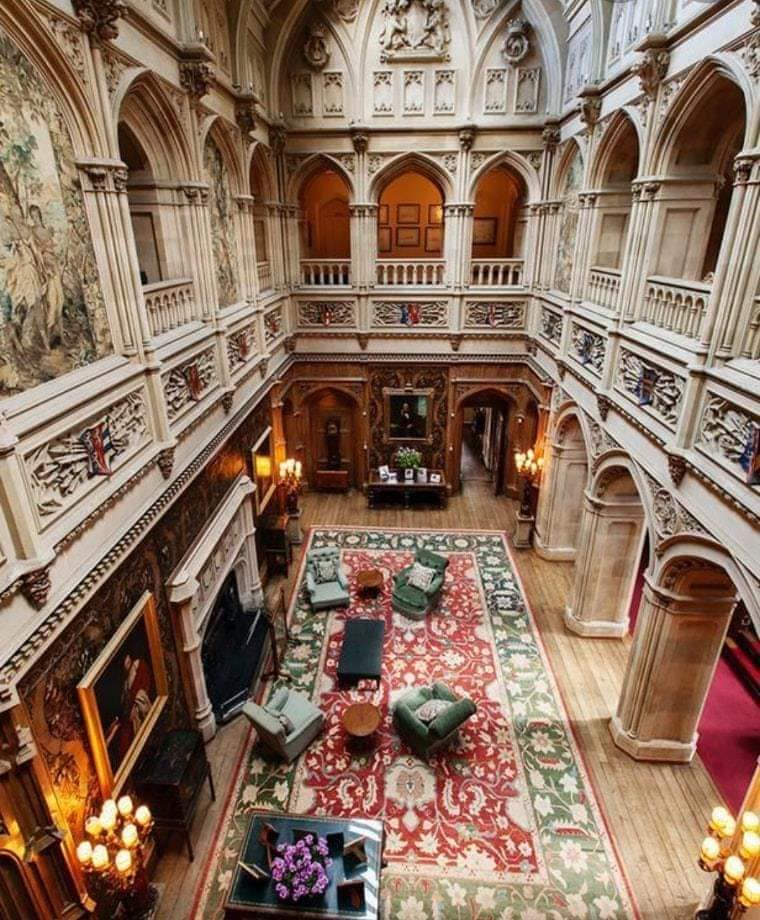
In 2003, Lord and Lady Carnarvon undertook major roof repairs. In 2007, they created the Egyptian Exhibition, which lies in the cellars of the castle and tells the story of the discovery of Tutankhamun's tomb by the 5th Earl. |
By 2009, the castle was again in need of major repair, with only the ground and first floors remaining usable. Water damage had caused stonework to crumble and ceilings to collapse; at least 50 rooms were uninhabitable. The 8th Earl and his family were living in a “modest cottage in the grounds”; he said a lack of repair by his ancestors caused the castle's long-term problems. As of 2009, repairs needed for the entire estate were estimated to cost around £12 million, £1.8 million of which was urgently needed just for the castle. |
From 2010, the castle was used as the main filming location for the ITV/PBS drama series Downton Abbey, which brought the castle international fame. |
As of late 2012, Lord and Lady Carnarvon said that an increase in the number of paying visitors allowed them to begin major repairs on both Highclere's turrets and its interior. The family attributed this increase in interest to the on-site filming of Downton Abbey. |
The family now live in Highclere Castle at various times throughout the year, but return to their cottage when the castle is open to the public. |
 |